EDITOR’S INTRODUCTION
Digital marketing includes the channels and methods a business uses to attract, educate, convert and retain customers online. The useful question is not how many channels are available. It is which combination supports the customer journey, the business model and the resources the team can operate consistently.
01
Search engine optimization
SEO improves the ability of relevant pages to appear in unpaid search results. It combines technical accessibility, page structure, useful content, internal linking and credible external signals.
Search works well when people already express a need. The landing page must match that intent and provide a clear next step.
02
Content marketing
Content marketing uses articles, guides, video, tools, case studies and other useful resources to help an audience understand a problem or opportunity. Strong content has a defined reader, purpose and distribution plan.
Content also supports other channels. Search, email, social and sales teams all perform better when they can point to clear, credible material.
03
Paid search and display media
Paid search reaches people through selected queries, while display and programmatic media can build awareness or reconnect with previous visitors. Both require disciplined targeting, relevant creative and landing pages that continue the promise of the advertisement.
Campaign reporting should separate traffic from useful outcomes such as qualified leads, purchases and customer value.
04
Social media marketing
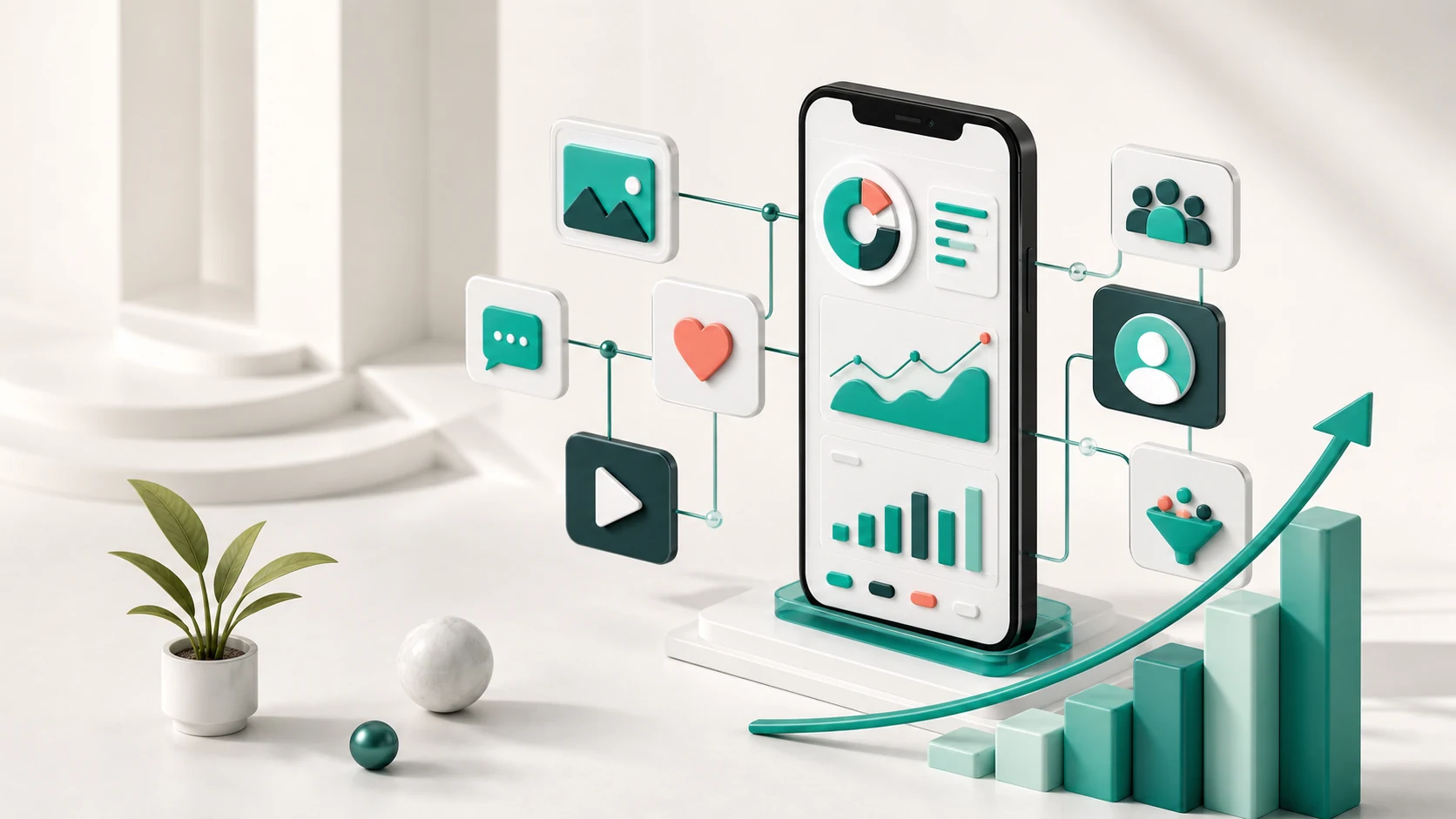
Organic and paid social media can build familiarity, distribute content, support customer contact and reach defined audiences. The channel mix should reflect where customers spend attention and what type of message suits the platform.
A response process is part of the strategy. Publishing without listening leaves valuable customer questions and reputation signals unmanaged.
05
Email, SMS and direct communication
Permission-based email and SMS can support onboarding, reminders, offers, service updates and retention. Segmentation, frequency and relevance determine whether direct communication feels useful or intrusive.
Build lists through clear consent and protect customer data. A smaller engaged audience is more valuable than a large list acquired without context.
06
Conversion optimization and analytics
Conversion optimization improves the experience after a visitor arrives. It examines content clarity, trust, forms, checkout, speed and the sequence of decisions required to complete an action.
Analytics connects the channels. Define events and outcomes before launching campaigns so the team can see how search, content, paid media, social and direct communication contribute to the journey.
07
Choose an integrated channel mix
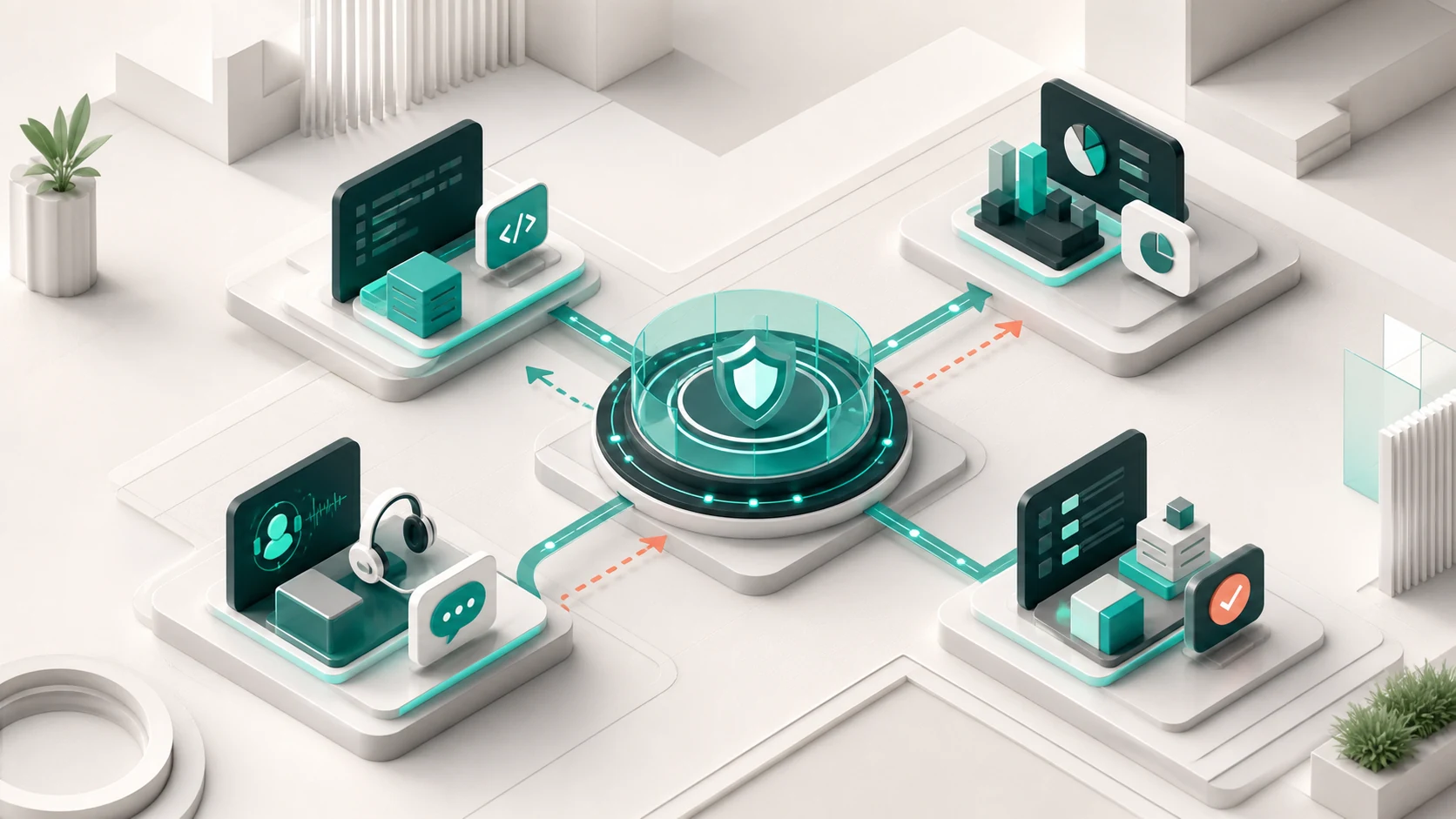
A smaller set of connected channels often outperforms scattered activity. Assign each channel a role, use shared campaign priorities and create landing experiences that connect the message to the next action.
Review performance regularly and move budget or effort according to qualified outcomes, not the loudest platform metric.