Managed IT
How an IT Outsourcing Company Drives Growth
Choose an IT outsourcing company that connects operations, cloud, digital products, and marketing so your business can improve performance with ownership.
27 September 2026
When email outages delay sales follow-up, a website cannot support a campaign, and leadership cannot see which activity produces revenue, the issue is rarely one isolated tool. An IT outsourcing company should help resolve the connected system behind those problems: daily operations, secure infrastructure, customer-facing products, and the data that guides the next decision.
For growing organizations, outsourcing is not simply a way to reduce the workload on an internal IT team. It is a way to establish clear ownership across work that is often fragmented between IT vendors, web developers, designers, hosting providers, and marketing agencies. The right partner creates a stable path from operations to product delivery and growth.
What an IT Outsourcing Company Should Actually Own
Traditional IT outsourcing often focuses on help desk support, hardware, networks, backups, and cybersecurity. Those services remain essential. A business cannot scale confidently if users cannot access email, cloud files, business applications, or reliable support when something fails.
But the business impact becomes much greater when the outsourcing model recognizes that technology does not stop at the server room. Your website, e-commerce store, mobile application, customer data, reporting dashboards, brand experience, and paid campaigns all depend on decisions made across the same operating environment.
A capable partner should be accountable for the handoffs, not only the individual tasks. That means understanding how a cloud migration affects application access, how a new website connects to lead handling, how analytics informs marketing spend, and how continuity planning protects customer service during disruption.
The goal is not to outsource every decision. It is to give internal leaders one operating partner that can translate business priorities into coordinated execution.
The Cost of a Fragmented Vendor Structure
Many organizations have built their technology stack one urgent requirement at a time. One company handles email. Another built the website. A freelance developer maintains an application. A marketing agency runs campaigns. An internal employee is expected to coordinate everyone when an integration breaks.
This model can work for a short period, especially when the business has simple requirements. As systems and customer expectations grow, the gaps become expensive. Vendors may protect their own scope rather than resolve the underlying issue. A campaign launches before landing pages are ready. A website update affects tracking. An infrastructure change interrupts an application. No one has the full view.
The immediate cost is slower response time. The larger cost is lost visibility. Leaders cannot confidently identify whether a performance issue comes from technology, user experience, content, campaign setup, or reporting quality.
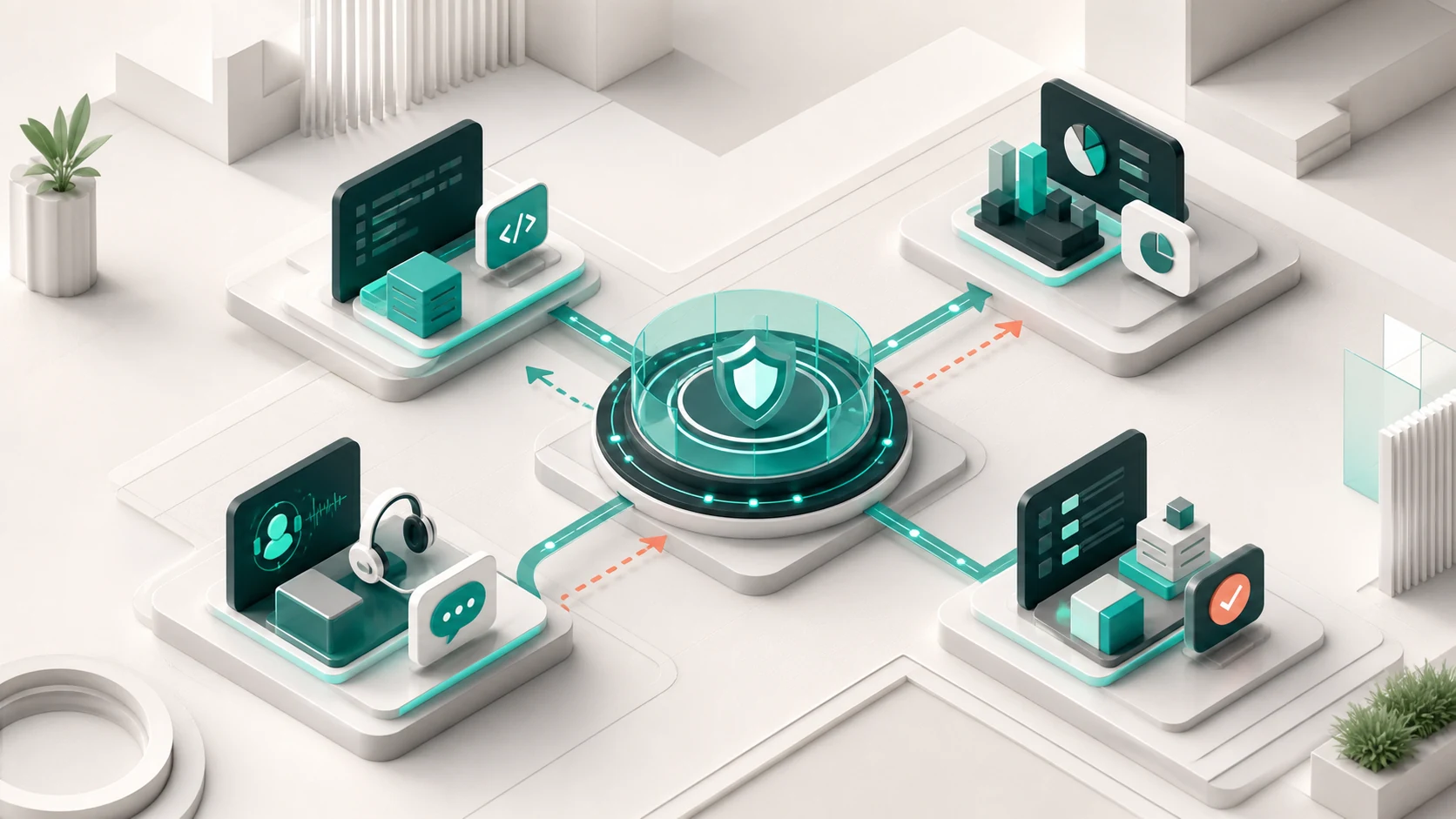
An integrated IT outsourcing company reduces that friction by managing connected engines rather than disconnected tasks. It creates a single route for escalation, planning, delivery, and accountability. This does not mean one provider must replace every specialist. It means there should be a clear owner responsible for making the broader system work.
A Better Operating Model: Discover, Design, Build, Evolve
The strongest outsourcing relationships are operational, not reactive. They begin by identifying what the business needs to protect, improve, and measure.
1. Discover the business-critical system
Discovery should go beyond an inventory of devices and software licenses. It should identify business-critical workflows: how employees communicate, where customer data lives, how leads are received, which systems support transactions, and what happens if a key platform becomes unavailable.
This stage also exposes ownership gaps. For example, a retailer may have secure cloud storage but no tested recovery process for its e-commerce environment. A professional services firm may have a strong website but no reliable connection between form submissions, sales follow-up, and reporting. A healthcare or education organization may need tighter controls over access, continuity, and data handling.
The result should be a practical baseline: current risks, performance constraints, immediate priorities, and a clear roadmap tied to business outcomes.
2. Design for operations and customer experience
Technology decisions should support the people using the system. That includes employees, customers, partners, and leadership teams.
At this stage, an outsourcing partner can define the right cloud environment, email structure, access controls, hosting approach, cybersecurity-oriented continuity measures, application architecture, and reporting requirements. If a new website, e-commerce platform, or mobile product is part of the plan, the design should also account for brand consistency, conversion paths, analytics, and future maintenance.
There are trade-offs. A lower-cost platform may be appropriate for a straightforward marketing site, while a high-volume commerce operation may require more specialized hosting, monitoring, integrations, and development support. The right answer depends on business risk, growth plans, internal capability, and the cost of downtime.
3. Build without creating new silos
Build is where coordination becomes visible. Infrastructure teams, developers, designers, and marketing specialists need shared requirements and clear release processes. Otherwise, a new digital product can introduce avoidable security issues, tracking gaps, inconsistent messaging, or support problems.
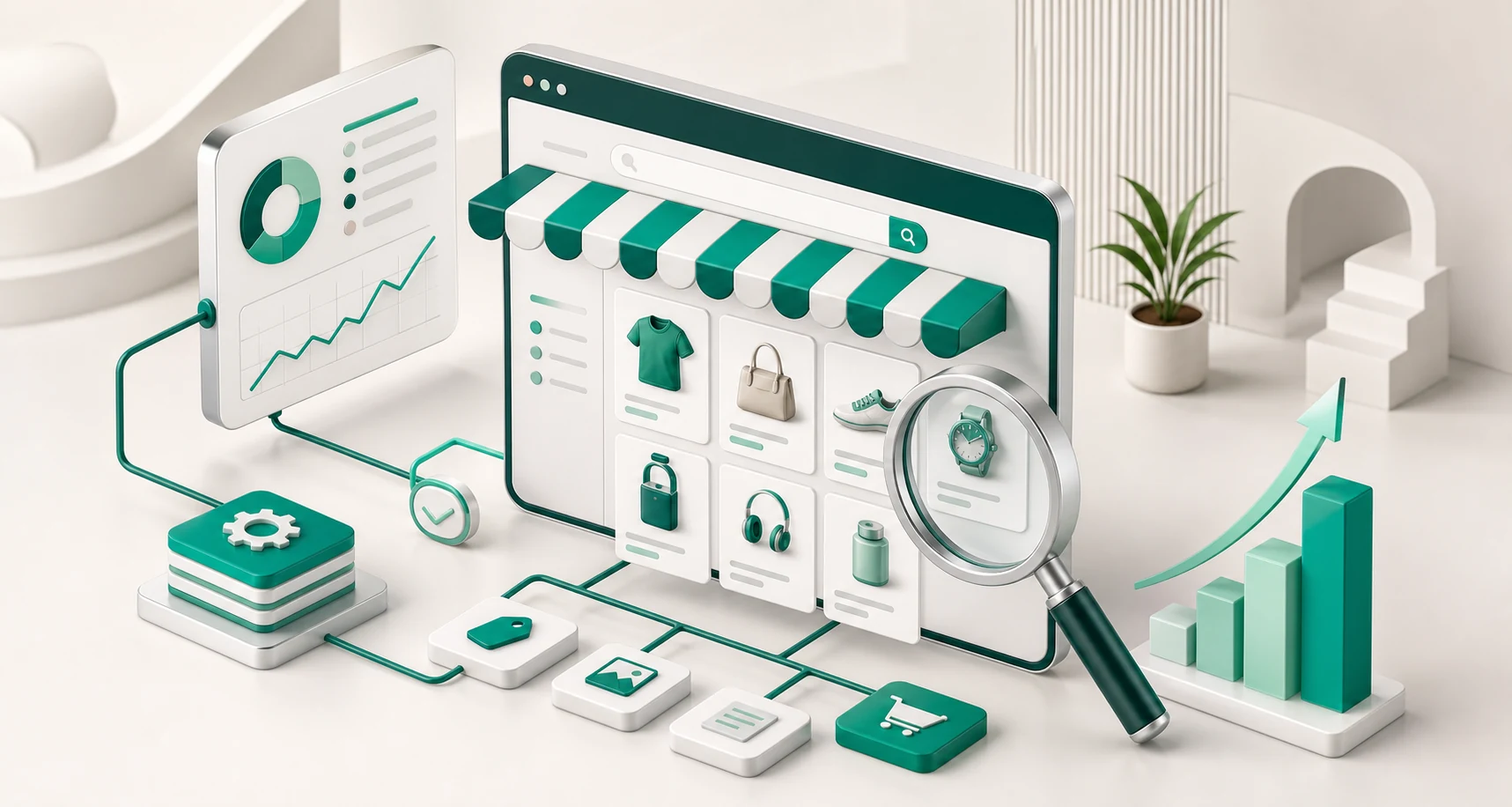
For example, a website relaunch should not end at visual approval. It should include secure hosting, business email considerations, performance testing, analytics configuration, lead routing, search readiness, and a plan for ongoing updates. An e-commerce implementation should account for product management, payment workflows, customer communications, reporting, and promotional activity from the beginning.
ProiTs approaches this work as one connected delivery system, bringing managed IT, cloud, digital product, creative, and demand-generation capabilities into one accountable team. That structure helps businesses move from a technical request to a working commercial outcome with fewer handoffs.
4. Evolve through visible performance
Outsourcing should not become a black box. Business leaders need regular visibility into service health, open priorities, project status, risks, and measurable outcomes.
The right reporting depends on the organization. Operations leaders may focus on response times, backup status, access management, uptime, and recurring incidents. Marketing leaders may need lead quality, cost per acquisition, conversion performance, and channel attribution. Executives need a concise view of investment, risk, progress, and what requires a decision.
This is where tools such as business intelligence reporting can help turn separate data points into a usable management view. The purpose is not more dashboards. It is to make the next decision visible.
How to Evaluate an IT Outsourcing Company
A provider can have impressive technical credentials and still be the wrong fit if its operating model does not match your business. Ask how it manages accountability when an issue crosses infrastructure, application, website, and marketing boundaries. Ask who owns communication, how priorities are agreed, and what reporting you will receive.
Also evaluate the transition plan. A responsible provider will not promise instant transformation without understanding your environment. It should explain how it will document systems, secure access, assess risk, stabilize urgent issues, and sequence improvements without disrupting daily operations.
Look closely at its delivery range. If your organization needs only managed IT support, a focused provider may be the right choice. If you are also modernizing a website, launching an e-commerce initiative, improving data visibility, or increasing qualified demand, an integrated partner can reduce coordination costs and protect momentum.
Finally, assess whether the provider speaks in business terms. Technical detail matters, but leadership should be able to understand what is being recommended, why it matters, what it will cost, what risk it reduces, and how success will be measured.
Questions Leaders Should Ask Before Outsourcing
Before selecting a partner, clarify four practical questions internally:
- Which systems would materially affect revenue, customer service, or compliance if they failed?
- Where do handoffs between internal teams and external vendors create delays or confusion?
- Which upcoming initiatives require technology, digital product, and marketing work to operate together?
- What performance indicators would give leadership confidence that outsourcing is delivering value?
These questions shift the conversation away from a comparison of hourly rates. They create a better basis for choosing a provider that can support the business you are building, not just the issues you are experiencing today.
A good outsourcing relationship gives leaders fewer vendors to chase, teams clearer direction, and customers a more reliable experience. The most valuable next step is to map the points where your operations, digital experience, and growth activity currently depend on one another, then assign clear ownership to making those connections perform.
A clear route through the topic.
- What an IT Outsourcing Company Should Actually Own
- The Cost of a Fragmented Vendor Structure
- A Better Operating Model: Discover, Design, Build, Evolve
- How to Evaluate an IT Outsourcing Company
- Measure the complete journey
- Six ways social media can support growth
Related thinking from ProiTs.